Is a project safe to buy? The due-diligence check: RERA status, QPR, NCLT and OC
Before you sign, run a project through five public records: RERA registration, the quarterly progress report, NCLT insolvency, the OC and complaints.
PropWatch Editorial9 min read
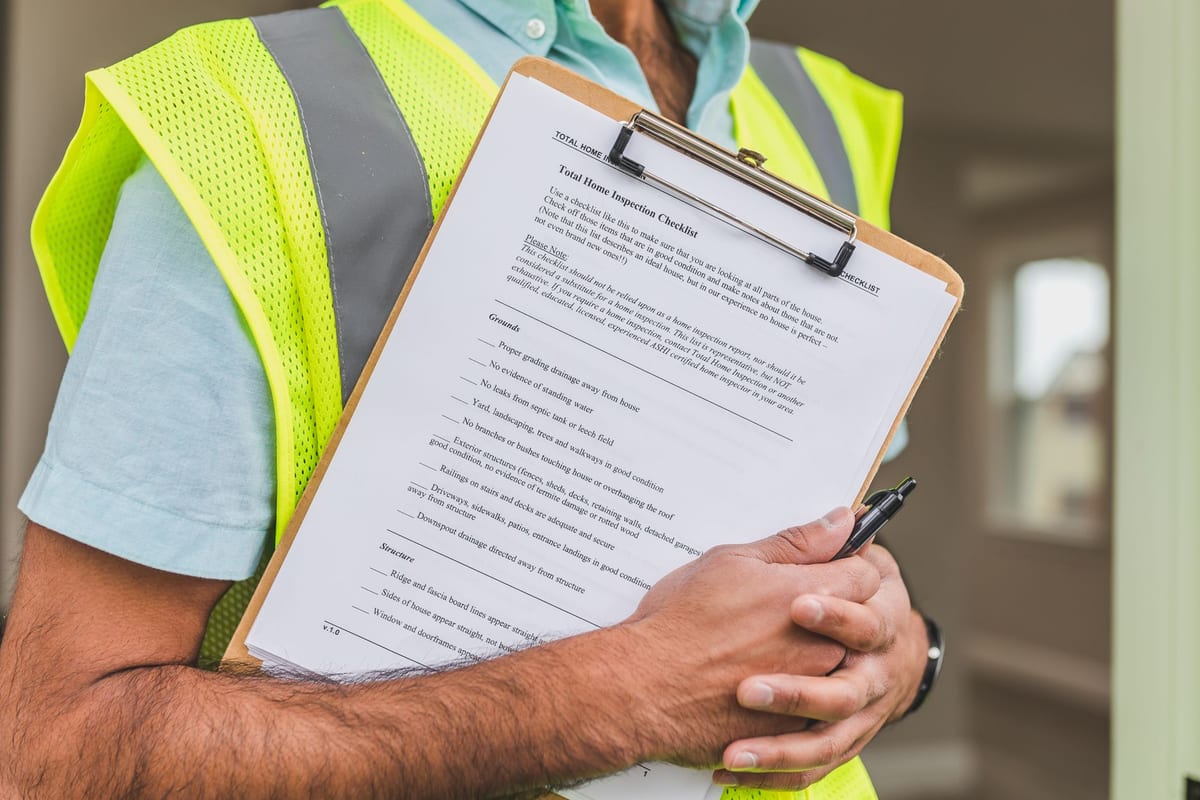
A project can be RERA-registered, advertised everywhere, and selling fast - and still be a bad thing to commit your money to today. Registration is a filing, not a clean bill of health. What actually tells you whether a project is safe to buy is a short set of public records that most buyers never open: the RERA registration, the quarterly progress report, any insolvency proceeding, the occupancy certificate, and the complaint history. This is the project-tracker method - the five checks that answer one question before you sign a sale agreement: is this project legally safe to commit to today.
1. RERA registration - necessary, not sufficient
Start with the state RERA portal for wherever the project sits, and confirm the project carries a valid registration number, that the registration is current and not lapsed or revoked, and that the promoter named matches the party you are dealing with. A project advertised without a RERA number, or with an expired one, is the first red flag. But a live registration number only means the promoter filed and paid - it does not tell you the project is on schedule or the builder is solvent. Treat it as the entry ticket, then keep reading. PropWatch has step-by-step guides for checking a project on MahaRERA, HARERA, UP-RERA and Delhi-RERA, linked below.
2. The quarterly progress report (QPR) - the truth about construction
Every promoter of a registered project must file a quarterly progress report on the RERA portal, disclosing the physical and financial progress of the project against the timeline it committed to at registration. This is the single most useful and least-read document for a buyer. It shows the percentage of construction actually completed, floor by floor and building by building, and how the money collected has been deployed. A project that is 30% built two years past its promised completion date will say so in its own QPRs.
- Open the project page on the RERA portal and find the quarterly progress report or QPR / Form B section.
- Read the physical progress - the completion percentage for the specific tower or phase you are buying into, not the whole project.
- Compare it to the original completion date the promoter registered. A wide gap between promised and actual progress is the delay risk you are about to inherit.
- Check whether QPRs are being filed at all. A promoter who has stopped filing is a promoter who has stopped complying.
3. NCLT and insolvency - is the builder in trouble?
A registered, part-built project can still collapse if the developer goes insolvent. Under the Insolvency and Bankruptcy Code, homebuyers are treated as financial creditors, which means an allottee can be dragged into - or can trigger - insolvency proceedings against a defaulting builder before the National Company Law Tribunal (NCLT). A minimum threshold of allottees (at least 100, or 10% of the total, whichever is less) is required to file such a petition. Courts have held that buyers can invoke the IBC even while a RERA complaint over the same delay is pending.
For a buyer doing due diligence, the point is to check whether the developer or the specific project is already the subject of an insolvency petition or an ongoing corporate insolvency resolution process. A project inside insolvency is frozen under a moratorium, and your money and possession are then hostage to a resolution plan you do not control. Search the developer's name against NCLT cause lists and IBBI records, and read any RERA orders that mention financial distress.
4. The occupancy certificate - for ready or near-ready projects
For a completed or nearly-completed project, the occupancy certificate (OC) is the document that says the building was constructed per the sanctioned plan and is legally fit to occupy. A flat handed over without an OC is a flat you should not take possession of: it signals a deviation from the approved plan, an unpaid due, or an incomplete approval, and it blocks legal water and power connections, resale and loans. Ask for the OC (or the part-OC for the tower being handed over) and verify it, rather than accepting possession on a builder's promise that it is coming.
5. Complaints and orders against the project or promoter
Finally, read the project's and the promoter's record with the regulator. Many RERA portals list complaints filed and orders passed against a project or a promoter. A pattern of orders for delayed possession, refund defaults, or failure to hand over common areas tells you how this builder behaves when things go wrong - which is exactly what you are trying to price in. One complaint is noise; a pattern is a signal.
The project-tracker checklist
- Confirm a live, valid RERA registration number and that the promoter matches.
- Read the latest quarterly progress report for the exact tower or phase, and compare it to the registered completion date.
- Search the developer's name for any NCLT / IBC insolvency proceeding or moratorium.
- For a ready project, demand and verify the occupancy certificate before taking possession.
- Read the complaint and order history against the project and the promoter on the RERA portal.
- Have a property advocate read the title chain, the builder-buyer agreement and the approvals alongside these public records.
SourceLiveLaw - Homebuyers can invoke IBC despite a pending RERA case over project delay (NCLT)
SourcePropWatch - How to verify RERA registration before buying
SourcePropWatch - How to verify a Mumbai project on MahaRERA before you buy
SourcePropWatch - Pune RERA: how to check a project on MahaRERA
SourcePropWatch - How to verify a Gurugram project on HARERA
SourcePropWatch - How to verify a Noida / Greater Noida project on UP-RERA
SourcePropWatch - RERA possession delay: how the interest is calculated
SourcePropWatch - The occupancy certificate: what it is and why it matters
SourcePropWatch - How to file a RERA complaint online in India